Asphalt milling, or recycled asphalt pavement (RAP), is a cost-effective and environmentally friendly material produced by grinding up existing asphalt surfaces like roads or driveways. Composed of aggregate and solidified asphalt binder, RAP compacts into a durable, semi-solid surface that is ideal for driveways, pathways, and temporary roads. Choosing recycled asphalt milling offers significant cost savings compared to new asphalt, providing an excellent solution for various construction and landscaping projects.
What is Recycled Asphalt Milling? Unpacking the Material
When roads, parking lots, or driveways made of asphalt reach the end of their lifespan, they don't just disappear. Instead, the asphalt surface is removed through a process called "milling" or "cold planing." This process grinds the old asphalt into small pieces, creating a material known as recycled asphalt milling (RAM) or recycled asphalt pavement (RAP).
These millings consist primarily of aggregate (like gravel and sand) coated with a small amount of asphalt binder that has hardened over time. Unlike fresh asphalt, which is hot and pliable, millings are delivered as a loose, granular material. However, they retain the residual asphalt binder, which is key to their unique properties and widespread utility, especially here in DFW, TX.
How is Recycled Asphalt Pavement (RAP) Made?
The process begins with a specialized machine called a milling machine or cold planer. This equipment shaves off the top layer of an asphalt surface. The removed material is then collected and typically transported to a processing facility. Here, it may be further crushed or screened to achieve a consistent size, though often, it's ready for use directly after the initial milling. This efficient recycling process not only diverts waste from landfills but also reduces the demand for virgin aggregates and new asphalt, making it a sustainable choice for many projects.
Why Recycled Asphalt Millings Compact into a Semi-Solid Surface
The magic of recycled asphalt millings lies in that residual asphalt binder. When millings are spread and compacted – whether by vehicle traffic, a roller, or even a vibratory plate compactor – several things happen:
- Interlocking Aggregates: The various sizes of aggregate within the millings lock together, creating a stable base.
- Reactivation of Binder: As the millings are exposed to sunlight and heat (common in the DFW metroplex!), and subjected to compaction, the residual asphalt binder softens slightly. This allows the particles to adhere to each other.
- Moisture Assistance: Rain and humidity can also play a role, helping to further bind the material as it settles and cures.
Over time, this combination of compaction, heat, and moisture causes the millings to "set up" or "cure," forming a dense, semi-solid surface that is significantly firmer and more durable than loose gravel. This process can take weeks or even months to fully solidify, depending on weather conditions and traffic volume. The result is a surface that resists erosion better than traditional gravel, reduces dust, and provides a stable foundation for vehicles and foot traffic.
Key Uses for Recycled Asphalt Milling in DFW, TX
Recycled asphalt millings are incredibly versatile and a popular choice for both homeowners and contractors across the DFW area due to their durability and cost-effectiveness. Here are some of the most common applications:
Driveways and Parking Areas
For many property owners, a paved driveway is a luxury, but the cost of new asphalt can be prohibitive. RAP offers an excellent alternative. It provides a stable, dust-reduced surface that holds up well under vehicle traffic, making it ideal for:
- Residential driveways: A firmer, cleaner alternative to dirt or gravel.
- Farm roads and agricultural paths: Durable enough for heavy equipment.
- Commercial parking lots: A budget-friendly option for businesses.
Temporary Roads and Access Paths
Construction sites often require temporary roads for heavy machinery and material delivery. Recycled asphalt millings are perfect for this purpose because they are quick to install, can handle heavy loads, and provide a stable surface that reduces mud and dust. They are also easily removed or integrated into a permanent solution once the project is complete.
Landscaping and Hardscaping Projects
Beyond just roads, RAP can be used in various landscaping applications:
- Walking paths and trails: Creates a firm, natural-looking surface.
- Base for patios and sheds: Provides a stable, well-draining foundation.
- Erosion control: Can be used on slopes to prevent soil washout.
Base Material for Other Paving Surfaces
Before pouring new concrete or laying fresh asphalt, a strong and stable base is crucial. Recycled asphalt millings make an excellent sub-base or aggregate base course due to their excellent compaction properties and ability to drain water. This foundational use helps ensure the longevity and stability of the final paving surface.
Dust Control
For rural properties or unpaved areas, dust can be a significant problem. Spreading and compacting recycled asphalt millings can drastically reduce dust nuisance, making outdoor spaces more enjoyable and improving air quality.
Cost vs. New Asphalt: Making the Smart Choice
One of the most compelling reasons to choose recycled asphalt millings is the significant cost savings compared to new asphalt.
| Feature | Recycled Asphalt Milling (RAP) | New Hot-Mix Asphalt (HMA) |
|---|---|---|
| Material Cost | Significantly lower per ton. | Substantially higher per ton (virgin materials, energy costs). |
| Installation Cost | Lower (no specialized heating equipment needed). | Higher (requires specialized hot asphalt pavers and rollers). |
| Durability | Good for low to moderate traffic; semi-solid, reduces dust. | Excellent for heavy traffic; dense, smooth, and long-lasting. |
| Appearance | Rustic, dark grey/black, can have minor irregularities. | Uniform black, smooth finish. |
| Environmental Impact | Highly sustainable (recycled, reduces landfill waste, conserves virgin aggregate). | Higher (requires new aggregate and energy for production). |
| Curing Time | Cures over time with heat, traffic, and moisture. | Cures quickly as it cools. |
| Maintenance | Can be regraded or topped off as needed. | Requires crack sealing and occasional resurfacing. |
As you can see, for many applications, especially those where aesthetics aren't the absolute top priority or traffic is moderate, recycled asphalt millings offer a superior value. While new asphalt provides a pristine, perfectly smooth surface ideal for high-traffic public roads, RAP delivers excellent functionality and durability at a fraction of the cost, making it perfect for driveways, farm roads, and temporary access ways.
Understanding Recycled Asphalt Milling Specifications
When ordering recycled asphalt milling, it's helpful to understand a few common specifications and considerations:
Tonnage and Coverage
The amount of material you need depends on the size of your area and the desired depth. A common depth for driveways or paths is 4-6 inches after compaction.
- Rule of Thumb: Approximately 1 ton of recycled asphalt milling will cover about 80-100 square feet at a 2-inch depth.
- For a 4-inch compacted depth, you'd need roughly 1 ton per 40-50 square feet.
It's always recommended to measure your area (length x width) and multiply by your desired depth (in feet) to get cubic feet, then divide by 27 for cubic yards. Most bulk materials like RAP are sold by the ton. A good estimate for the weight of compacted asphalt millings is about 1.8-2.2 tons per cubic yard. It's always best to round up slightly to ensure you have enough material, as running short can delay your project.
Grading and Material Quality
While the core material is consistent, there can be slight variations in the "grade" or size of the milled particles. Most suppliers offer a general-purpose milling that works well for driveways and bases. If your project has very specific requirements, discuss them with our team. We ensure the material we deliver is high-quality and suitable for typical DFW-area applications.
When to Order Recycled Asphalt Milling from Kaufman Sand & Gravel
Choosing the right time to order and install your recycled asphalt milling can impact your project's success.
Ideal Weather Conditions
The best time to install recycled asphalt milling is during warmer, drier months. The DFW area's spring, summer, and early fall offer excellent conditions. Heat helps reactivate the binder, aiding in compaction and curing. While rain won't ruin the material, installing on a very muddy surface isn't ideal, and excessive water during initial compaction can make it harder to achieve a solid base.
Project Planning and Delivery Logistics
Plan your project to ensure you have enough time to prepare the site before delivery. Consider access points for our delivery trucks.
Kaufman Sand & Gravel makes getting your materials easy:
- Delivery Area: We serve the entire DFW metroplex from our base in Scurry, TX (Kaufman County).
- Pricing: Delivery is a flat $150 per load up to 7 tons within 20 miles of Scurry. Beyond 20 miles, it's metered per mile, and we offer discounts on multiple loads.
- Large Orders: For loads over 28 tons requiring dump truck delivery, please call us directly for a quote at (951) 239-9096.
- Availability: We run six days a week, with Sundays available by request to accommodate your project schedule.
We also offer a full range of other bulk materials, including gravel delivery, sand delivery, and topsoil delivery, to meet all your project needs.
Frequently Asked Questions About Recycled Asphalt Milling
Q: Will recycled asphalt milling turn into solid pavement like new asphalt?
A: No, recycled asphalt milling will compact into a very dense, semi-solid surface, but it will not become as smooth, flexible, or completely impermeable as new, hot-mix asphalt. It retains a granular quality, though it will bind together much better than loose gravel.
Q: How long does it take for recycled asphalt milling to set up or cure?
A: The curing process for recycled asphalt milling depends on several factors: compaction effort, temperature, and moisture. With good compaction and warm weather, you can expect the material to start binding within a few days, but it may take several weeks or even months of traffic and heat cycles to fully "cure" into its densest state.
Q: Do I need special equipment to install recycled asphalt milling?
A: For best results, a compactor (like a vibratory plate compactor or roller) is recommended to achieve maximum density and binding. However, for smaller projects, heavy vehicle traffic over time can also help compact the material. You'll also need basic tools for spreading, like shovels and rakes.
Beyond Bulk Material Delivery: Garage Clean-Out Services
Sometimes, getting a project started means getting rid of what's already there. Kaufman Sand & Gravel also offers convenient garage clean-out and dumpster rental services to help you clear out debris efficiently.
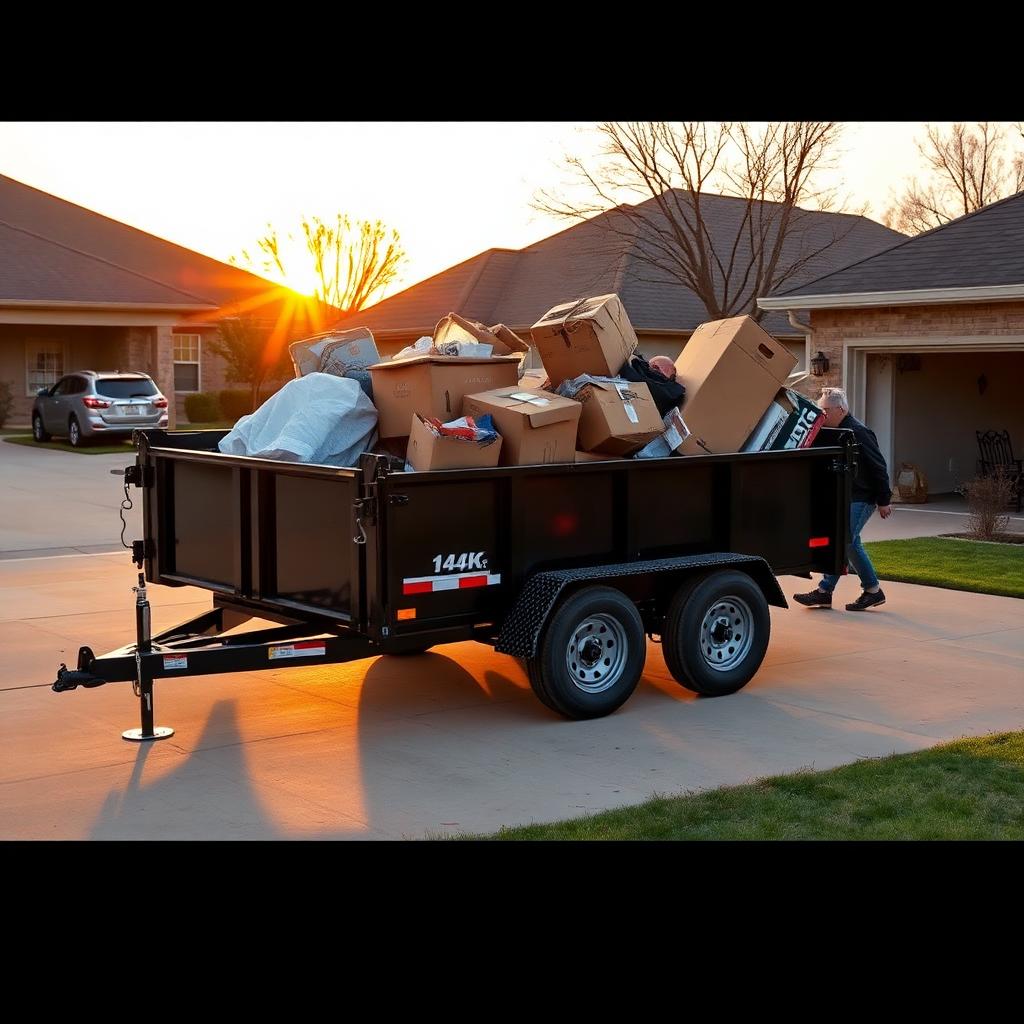
- 3-Day Trailer Rental: $350 for a 3-day trailer rental. We drop the trailer, you load it, and we haul it off.
- Live Load: $250 for a live load (up to 45 minutes of loading time).
This service complements our material delivery by providing a complete solution for site preparation and cleanup, making us a one-stop shop for your DFW area projects. Learn more about our garage clean-out services.
Request Your Recycled Asphalt Milling Delivery Today!
Ready to get started on your driveway, path, or construction base? Kaufman Sand & Gravel is your trusted source for high-quality recycled asphalt milling and reliable bulk material delivery throughout the DFW metroplex. We pride ourselves on prompt service and competitive pricing.
For specific delivery quotes, especially for larger quantities, or any questions, don't hesitate to call us at (951) 239-9096 or email kaufmantrailerrentals@gmail.com.
Request a delivery quote today and experience the difference of working with a local, dependable supplier.