
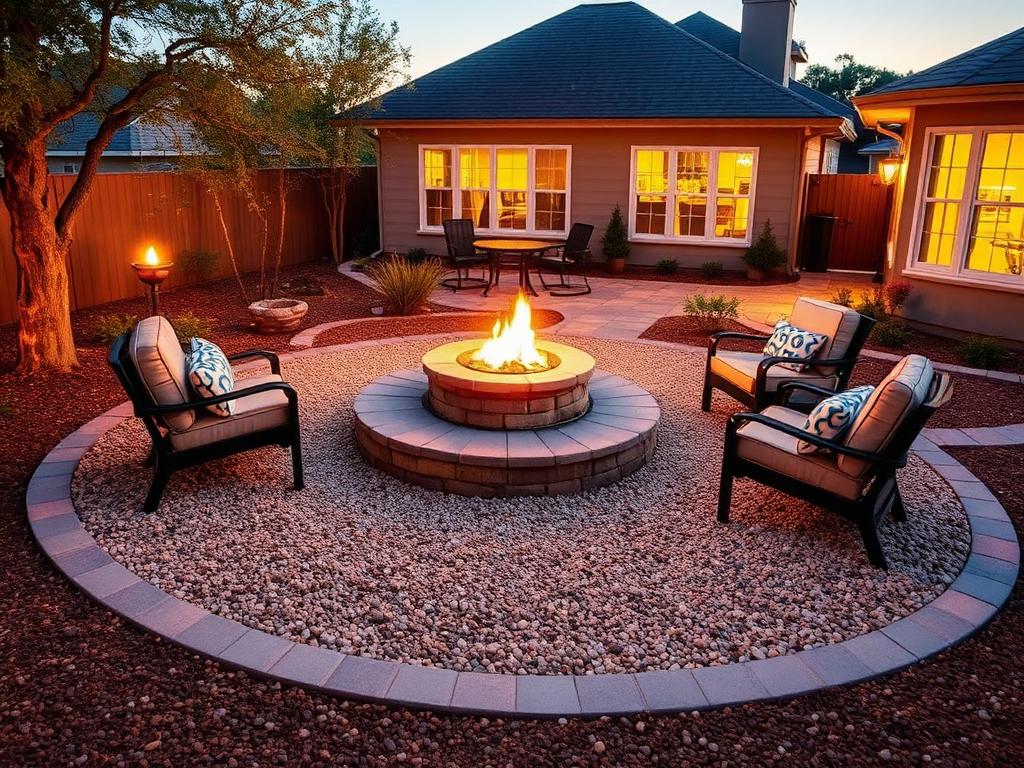
Transform your outdoor space with durable and attractive landscaping pea gravel by ensuring proper installation, compaction, and avoiding common pitfalls. For best results, prepare the site meticulously with weed fabric, spread the gravel evenly, and compact it firmly for a stable, long-lasting surface.
Why Choose Landscaping Pea Gravel for Your DFW Project?
Landscaping pea gravel is a versatile and aesthetically pleasing aggregate, making it a popular choice for homeowners and contractors across DFW, TX. Its smooth, rounded edges and varied color palette make it ideal for pathways, patios, drainage solutions, and decorative ground cover. Beyond its visual appeal, pea gravel offers excellent drainage, low maintenance, and a comfortable walking surface. When planning your project, understanding proper installation and compaction techniques, as well as common mistakes, will ensure a successful and enduring result.
Site Preparation: The Foundation of Successful Pea Gravel Installation
Proper site preparation is paramount for any successful landscaping project, especially when working with pea gravel. Skipping steps here can lead to uneven surfaces, weed infestations, and premature deterioration of your beautiful new feature.
Clearing and Leveling
Begin by clearing the designated area of all vegetation, rocks, and debris. This includes digging out existing grass and weeds to a depth of at least 4-6 inches, depending on the desired thickness of your pea gravel layer. Once cleared, ensure the area is level or, if necessary, graded slightly for proper water drainage away from structures. For projects requiring specific drainage, consider a slight slope of 1-2%.
Edging and Containment
To prevent your pea gravel from migrating into adjacent areas, install suitable edging. Options include metal, plastic, wood, or stone borders. This step is crucial, particularly for pathways and patios, as it maintains the shape and integrity of your pea gravel feature. Edging should extend slightly above the finished height of your gravel layer.
The Importance of Weed Barrier Fabric
A high-quality weed barrier fabric is non-negotiable for landscaping pea gravel. This fabric acts as a critical separator between the soil and your gravel, preventing weeds from growing through and keeping the gravel from sinking into the soil over time.
- Choose the Right Fabric: Opt for a heavy-duty, woven landscape fabric that allows water to penetrate while blocking weeds. Avoid cheap, thin plastic sheets, which can trap water and suffocate plant roots, leading to mildew and odors.
- Installation: Lay the fabric smoothly over the prepared, level ground, overlapping seams by at least 6-12 inches. Secure the fabric with landscape staples every few feet, especially along edges and seams, to prevent it from shifting during gravel application. Cut the fabric carefully around any existing plants or obstacles.
Spreading the Landscaping Pea Gravel
Once your site is prepped and the weed barrier is in place, it’s time for the main event: spreading your pea gravel. Kaufman Sand & Gravel delivers high-quality pea gravel directly to your DFW project site, making this step as convenient as possible. (Check out our full range of materials on our gravel delivery page).
Delivery and Distribution
Our standard delivery service in Scurry, TX, and surrounding areas includes a flat rate of $150 per load up to 7 tons within 20 miles. Beyond that, it's metered per mile, with discounts available for multiple loads. For larger projects requiring over 28 tons, our dump truck delivery is available; simply call us for a custom quote.
Once the pea gravel is delivered, use a shovel and rake to spread it evenly over the landscape fabric. Aim for a consistent depth, typically 2-4 inches for pathways and patios, and 1-2 inches for decorative ground cover. Spreading too thin may compromise weed control and stability, while too thick can make it difficult to walk on and impact drainage.
Pea Gravel vs. Other Aggregates: A Cost & Durability Comparison
When considering aggregates for your landscaping project, it's helpful to compare pea gravel to common alternatives like mulch and decomposed granite (DG). Each has unique properties affecting cost, durability, and maintenance.
| Feature | Landscaping Pea Gravel | Mulch (Wood Chips, Bark) | Decomposed Granite (DG) |
|---|---|---|---|
| Cost | Moderate initial cost. Long-lasting, so good long-term value. | Lower initial cost, but needs frequent replenishment (annual/biannual). | Moderate initial cost. Durable. |
| Durability | Excellent. Resists decomposition, fading, and displacement with proper edging. | Poor. Decomposes over time, susceptible to wind/water displacement, attracts insects. | Good. Forms a semi-permeable, stable surface, but can get muddy when wet. |
| Maintenance | Low. Occasional raking to level, minimal weed control if weed fabric is used. | High. Needs regular replenishment, prone to weeds, can attract pests. | Moderate. May require periodic replenishment, can wash out if not stabilized. |
| Drainage | Excellent. | Good, but can impede water absorption into soil if too thick. | Moderate. Compacts well, but can become impermeable if over-compacted. |
| Best Use | Pathways, patios, drainage, decorative ground cover, dog runs. | Garden beds, tree surrounds, moisture retention, weed suppression. | Pathways, patios, bocce courts, natural-looking driveways. |
Pea gravel offers a significant advantage in terms of long-term durability and lower maintenance compared to mulch, making it a cost-effective choice over time despite a potentially higher upfront cost. Its superior drainage and stability also surpass DG for certain applications, especially where a loose, permeable surface is desired. Learn more about the specifics of this versatile material on our dedicated page: What is Pea Gravel? Uses, Specs, and When to Order It.
Compaction: Ensuring a Stable Surface
While pea gravel is known for its loose, natural appearance, proper compaction is vital for creating a stable, durable surface, especially for pathways and patios.
Why Compact Pea Gravel?
Compaction helps to interlock the individual gravel pieces, creating a firmer base that resists shifting and spreading. It also reduces the likelihood of depressions forming over time and provides a more comfortable walking surface. Without compaction, your pea gravel pathway can become too soft or uneven, making it difficult to walk on or to support outdoor furniture.
Compaction Methods
- Hand Tamper: For smaller areas, a hand tamper can be effective. Work in sections, tamping firmly and evenly across the entire surface.
- Plate Compactor: For larger areas, renting a plate compactor is highly recommended. These machines apply significant vibratory force, achieving a much more thorough compaction. Make several passes in different directions to ensure uniform density.
- Watering: Lightly wetting the pea gravel before compaction can help it settle and interlock more effectively. Be careful not to over-saturate, as this can make the ground muddy.
After compaction, you may need to add a thin layer of additional pea gravel to achieve your desired final depth, then compact again.
Common Mistakes to Avoid with Landscaping Pea Gravel
Knowing what not to do is just as important as knowing what to do. Avoiding these common mistakes will save you time, money, and frustration.
- Skipping Weed Barrier Fabric: As discussed, this is a recipe for a weed-ridden mess. Don't cut corners here.
- Inadequate Edging: Without proper containment, your pea gravel will inevitably spread, requiring constant maintenance and replenishment.
- Insufficient Depth: A thin layer of pea gravel won't cover the weed fabric effectively, won't compact properly, and will wear down quickly. Aim for at least 2-4 inches for most applications.
- No Compaction (for walking surfaces): While decorative beds might not need heavy compaction, pathways and patios absolutely do. A loose surface is unstable and uncomfortable.
- Using the Wrong Type of Gravel: While this article focuses on pea gravel, ensure you're getting the correct aggregate for your specific needs. For example, angular gravel might be better for driveways due to better interlocking. We offer a wide range of materials, including sand delivery and topsoil delivery, so reach out if you need guidance.
- Neglecting Drainage: Ensure your site is properly graded to prevent water pooling, which can displace gravel and lead to muddy conditions.
Maintenance Tips for Your Pea Gravel Surface
Maintaining your pea gravel is relatively straightforward once properly installed.
- Raking: Periodically rake the surface to redistribute the gravel and smooth out any depressions.
- Weed Control: Despite the weed barrier, a few persistent weeds might still emerge. Pull them manually or spot-treat them as needed.
- Replenishment: Over many years, some gravel may settle or be displaced. You can easily replenish thin spots with a fresh layer from Kaufman Sand & Gravel.
Need to Clear Out Before You Start? We Can Help!
Starting a new landscaping project often means clearing out old debris. Kaufman Sand & Gravel offers convenient garage clean-out and dumpster rental services to help you get your site ready. For just $350, you can rent a 3-day trailer; we drop it off, you load it, and we haul it away. If you prefer a faster option, our $250 live load service gives you up to 45 minutes to load a trailer while we wait. It's the perfect solution for getting rid of old concrete, yard waste, or general junk before your pea gravel arrives. Explore our garage clean-out services.
Frequently Asked Questions About Landscaping Pea Gravel
Q: How much pea gravel do I need for my project? A: To calculate your needs, multiply the length (feet) by the width (feet) by the desired depth (inches, then divide by 12 to convert to feet). This gives you cubic feet. To convert to tons, divide by 20 (approximate cubic feet per ton for gravel). For instance, a 100 sq ft area at 3 inches deep (100 * 0.25 ft = 25 cubic feet) would be roughly 1.25 tons. Our team can help you estimate your needs accurately when you request a quote.
Q: Can I use pea gravel for a driveway? A: While pea gravel can be used for light-traffic driveways, its rounded nature means it can shift and create ruts more easily than angular gravel (like crushed granite or limestone). For heavy-duty driveways, a more angular aggregate that interlocks better is often recommended.
Q: Is pea gravel pet-friendly? A: Yes, pea gravel is generally considered pet-friendly, particularly for dog runs or areas where pets play. Its smooth, rounded edges are comfortable on paws, unlike sharper crushed rock. It also offers excellent drainage, which helps keep the area cleaner.
Ready for Your DFW Landscaping Project?
Kaufman Sand & Gravel is your reliable partner for bulk material delivery throughout the DFW metroplex, serving Scurry, TX, and Kaufman County. We operate six days a week for your convenience, with Sundays by request. Contact us for all your material needs.
Request a delivery quote today by calling (951) 239-9096 or emailing kaufmantrailerrentals@gmail.com. We're here to deliver the materials you need, when you need them. Visit our service area page for more information.