
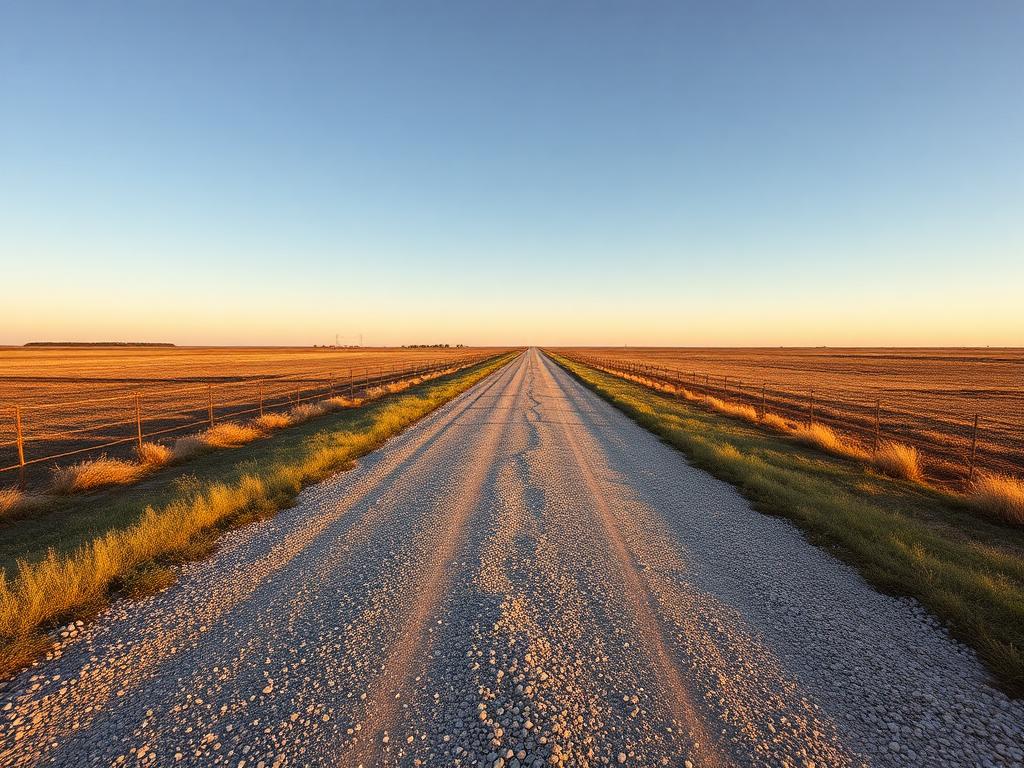
Asphalt millings provide a durable and cost-effective surface solution for driveways, parking lots, and pathways. Proper installation and compaction are crucial for longevity, with key considerations including base preparation, moisture levels, and seasonal timing to ensure a resilient finish and prevent common issues like rutting or unraveling.
Understanding Driveway Asphalt Millings
Driveway asphalt millings, also known as recycled asphalt pavement (RAP), are a sustainable and economical alternative to new asphalt or gravel for various applications. They consist of crushed and screened asphalt removed from old roads and surfaces, offering a partially pre-compacted material that bonds together over time, creating a semi-permanent, low-maintenance surface. For contractors and businesses in the DFW area, choosing the right material supplier like Kaufman Sand & Gravel ensures you get quality millings delivered efficiently to your job site.
Why Choose Asphalt Millings for Your Project?
Beyond their cost-effectiveness, asphalt millings offer several advantages:
- Durability: Once properly compacted, millings create a strong, stable surface that resists erosion better than loose gravel.
- Cost-Effective: Typically less expensive than new asphalt or concrete, both in material and installation.
- Eco-Friendly: Utilizing recycled materials reduces waste and demand for new aggregate.
- Low Maintenance: Requires less ongoing maintenance compared to loose gravel, as the material binds together.
- Improved Drainage: A properly installed milling surface can offer good drainage properties, reducing standing water issues.
For a deeper dive into the material itself, including its specifications and common uses, visit our page on What is Asphalt Milling? Uses, Specs, and When to Order It.
Step-by-Step Installation Checklist for Driveway Asphalt Millings
Successful installation of driveway asphalt millings hinges on thorough preparation and correct compaction techniques. Follow this checklist for optimal results.
1. Site Preparation and Grading
- Clear the Area: Remove all debris, vegetation, rocks, and old surfacing.
- Establish Grade: Ensure proper drainage by establishing a slight crown or slope. A minimum 2% grade away from structures is recommended to prevent water pooling. Use stakes and string lines to guide your grading.
- Base Compaction (Optional but Recommended): If the subgrade is soft or unstable, consider laying down a layer of crushed limestone or gravel and compacting it first. This provides a stronger foundation, especially for heavy traffic areas. For these materials, check our gravel delivery options.
2. Spreading the Millings
- Material Delivery: Have your bulk asphalt millings delivered to your site. Kaufman Sand & Gravel offers reliable delivery services throughout the DFW area.
- Layer Thickness: Spread the millings evenly across the prepared area. A typical finished thickness for driveways is 4-6 inches (compacted). For heavy-duty applications or parking lots, you might consider 6-8 inches. It's often best to lay millings in two layers if applying more than 4 inches total, compacting each layer separately.
- Even Distribution: Use a grader, skid steer, or even heavy-duty rakes to distribute the material uniformly. Avoid creating high or low spots.
3. Compaction Techniques
Compaction is the most critical step for achieving a durable and stable surface.
- Moisture is Key: Asphalt millings compact best when they have a slight amount of moisture. This helps the particles bind together. If the millings are very dry, lightly wet them down before compaction. Do not oversaturate.
- Compaction Equipment:
- Vibratory Roller: For larger areas like parking lots or long driveways, a vibratory roller (2-5 tons) is ideal. Make multiple passes in overlapping patterns.
- Plate Compactor: For smaller driveways, pathways, or tight spaces, a vibratory plate compactor can be effective.
- Heavy Equipment (for initial compaction): Even driving over fresh millings with heavy delivery trucks or construction equipment can provide initial compaction, especially in warm weather.
- Compaction Passes: Make multiple passes over the entire area. Start from the edges and work towards the center, overlapping each pass. Continue until the surface feels firm and no longer shows significant indentation from the roller.
4. Finishing Touches
- Edging: Consider adding an edge restraint, such as timber or concrete curbing, to prevent the millings from spreading over time.
- Final Grading: After compaction, ensure the final surface maintains the desired grade for drainage.
- Time and Traffic: Allow time for the millings to "cure" and bind together. This process is accelerated by heat and vehicle traffic.
Seasonal Considerations for Installation
The ambient temperature plays a significant role in how well asphalt millings compact and bond.
- Warm Weather (Spring/Summer):
- Pros: Heat naturally softens the asphalt binder in the millings, making them more pliable and easier to compact. They bond together more quickly, creating a stronger surface faster.
- Cons: If too hot and dry, the material can become dusty and lose moisture too quickly, hindering compaction. Light watering may be needed.
- Recommendation: Ideal time for installation. Compaction will be most effective.
- Cool Weather (Fall/Winter):
- Pros: Less dust, material stays moist longer.
- Cons: Cold temperatures make the asphalt binder harder, reducing its ability to soften and bind. Compaction will be more challenging, and the surface may take longer to fully harden.
- Recommendation: Installation is still possible, but ensure thorough compaction. The surface may remain looser for a longer period until warmer temperatures return and traffic helps "knead" the material together.
Common Mistakes to Avoid with Driveway Asphalt Millings
Preventing these errors will ensure a longer-lasting and more effective surface.
- Insufficient Base Preparation: Laying millings directly on soft or uneven ground will lead to rutting, potholes, and instability over time. Always prepare a firm, well-drained subgrade.
- Improper Drainage: Failure to establish adequate slopes will result in standing water, which can erode the millings, soften the subgrade, and shorten the surface's lifespan.
- Lack of Compaction: This is the most common mistake. Without proper compaction, the millings will remain loose, easily displaced by traffic, and prone to unraveling. Invest the time and equipment for thorough compaction.
- Too Thin a Layer: A layer that is too thin (less than 4 inches compacted for driveways) won't have the structural integrity to withstand traffic and will degrade quickly.
- Not Controlling Moisture: Millings that are too dry won't bind. Millings that are too wet can create a soft, muddy mess that's difficult to compact. A slightly damp condition is ideal.
- Neglecting Edging: Without proper edging, the millings can spread outwards, reducing the effective width of the surface and requiring frequent maintenance to push material back into place.
Maintenance and Lifespan Expectations
Once properly installed, driveway asphalt millings require minimal maintenance.
- Initial Period: For the first few weeks or months, especially in warm weather, vehicle traffic will continue to help compact and bind the material.
- Minor Repairs: Over time, minor low spots or loose areas may appear. These can often be repaired by adding a small amount of fresh millings, wetting them, and compacting them with a plate compactor.
- Weed Control: While less prone to weeds than loose gravel, occasional weed growth can occur. Address these as needed.
- Lifespan: A well-installed and maintained asphalt milling surface can last 10-15 years or even longer, offering excellent value compared to other material options.
Bulk Material Delivery for Your DFW Projects
Kaufman Sand & Gravel is your trusted partner for bulk material delivery throughout DFW. We understand the demands of commercial projects and are committed to providing timely and efficient service.
Our Delivery Service:
- Flat Rate: We offer a flat rate of $150 per load for up to 7 tons within 20 miles of Scurry, TX (75158).
- Beyond 20 Miles: For deliveries beyond 20 miles, a metered per-mile rate applies.
- Multiple Load Discounts: Planning a large project? Ask us about discounts on multiple loads.
- Heavy Loads: Loads over 28 tons require dump truck delivery. Please call us directly for a custom quote on these larger quantities to ensure we meet your specific needs.
Estimate Your Material Needs:
| Material Type | Coverage per Ton (approx. @ 3" depth) |
|---|---|
| Asphalt Millings | 80-100 sq ft |
| Crushed Limestone | 80-100 sq ft |
| Pea Gravel | 70-90 sq ft |
| Masonry Sand | 60-80 sq ft |
Note: Coverage can vary based on material density, desired depth, and compaction rate.
In addition to asphalt millings, we supply a range of materials including gravel, sand, and topsoil. We also offer convenient garage clean-out and dumpster rental services to help manage debris from your projects.
Frequently Asked Questions about Asphalt Millings
Q: How much does a load of asphalt millings cost from Kaufman Sand & Gravel?
A: Our standard delivery fee is $150 per load (up to 7 tons) within 20 miles of Scurry, TX. For distances beyond that, or for loads over 28 tons requiring dump truck delivery, please call us for a detailed quote.
Q: Can I install asphalt millings myself, or should I hire a professional?
A: For smaller, less critical areas, a DIY approach with rented compaction equipment is feasible. However, for large driveways, parking lots, or areas requiring precise grading and drainage, hiring a professional contractor is recommended to ensure proper installation and longevity.
Q: How long does it take for asphalt millings to harden?
A: The "hardening" or binding process is gradual. In warm weather with regular vehicle traffic, the surface can feel stable within a few weeks. In cooler temperatures, it may take several months or even until the next warm season for the material to fully bind together into a semi-permanent surface. Compaction equipment significantly speeds up this process.
Ready to enhance your property with durable and cost-effective driveway asphalt millings?
Our team is ready to help you with your material needs across Kaufman County and the wider DFW metroplex. We operate six days a week, with Sunday deliveries available by request, to ensure your project stays on schedule.
Request a delivery quote today! Call us at (951) 239-9096 or email us at kaufmantrailerrentals@gmail.com. You can also visit our website for more information on our service area and to request a quote online.