
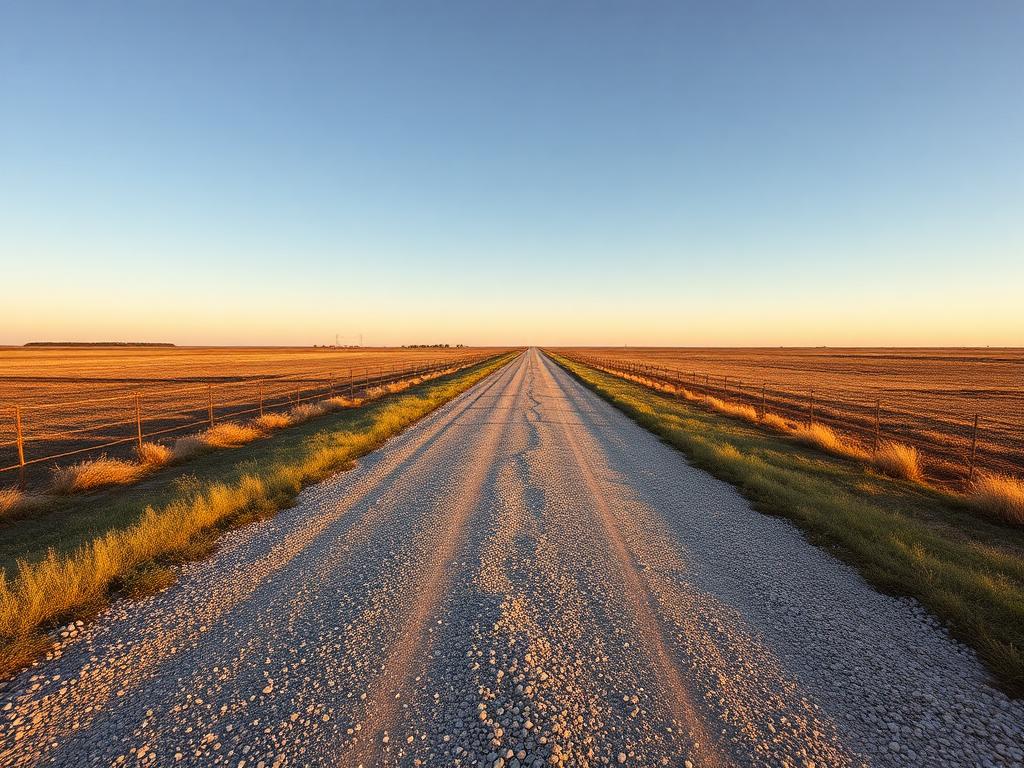
2in base is a foundational aggregate consisting of crushed rock or recycled concrete sized up to 2 inches, designed to create a stable, load-bearing layer for driveways, roads, and other construction projects. Proper installation and compaction are critical to prevent settling and ensure the longevity of any surface built upon it, making it an essential driveway base rock for projects across DFW, TX.
Why 2in Base is Essential for Durable Construction in DFW
In the Dallas-Fort Worth Metroplex, soil conditions can vary greatly, from expansive clays to sandy loams. This variability makes a robust foundation layer like 2in base indispensable for any outdoor construction project, especially driveways, patios, and building pads. This aggregate, often referred to as driveway base rock or simply "flex base," provides superior drainage, load distribution, and stability, preventing issues like cracking, rutting, and uneven settling that can plague projects built directly on native soil. Understanding its proper installation, compaction techniques, and common pitfalls is key to a successful outcome.
Kaufman Sand & Gravel supplies high-quality 2in base directly to your job site in Scurry, TX, and the wider DFW area. We understand the demands of construction in this region and are committed to delivering the materials you need, when you need them.
What is 2in Base? Uses and Specifications
2in base is a type of crushed aggregate material, typically composed of limestone, granite, or recycled concrete, with a maximum particle size of 2 inches down to fines. This range of particle sizes allows for excellent interlock and compaction, forming a dense, stable layer.
Common Uses for 2in Base:
- Driveway Construction: The most common application, providing a sturdy foundation for asphalt, concrete, pavers, or gravel driveways.
- Roadways and Parking Lots: Essential for building durable surfaces that can withstand heavy traffic.
- Building Pads and Foundations: Creates a level, stable base for sheds, garages, and other structures.
- Patio and Walkway Bases: Ensures longevity and prevents settling of pavers or stone.
- Stabilization Layers: Used in areas with poor soil conditions to improve load-bearing capacity.
When selecting 2in base, it's crucial to consider its composition and angularity, which contribute to its interlocking capabilities. Our material meets standard specifications for base course aggregates, ensuring optimal performance for your project. For more in-depth information on material specs and when to choose this specific aggregate, visit our detailed guide on [/what-is-2in-base?-uses-specs-and-when-to-order-it].
Essential Tools and Equipment for Base Rock Installation
Before you begin installing your driveway base rock, gather the necessary tools and equipment. Having these on hand will streamline the process and ensure a professional finish.
- Excavator or Skid Steer: For initial grading and spreading large quantities of base material.
- Plate Compactor or Vibratory Roller: Crucial for achieving proper compaction. For larger areas, a roller is more efficient.
- Shovels and Rakes: For fine-tuning spread and leveling.
- Stakes and String Lines: For establishing and maintaining grade.
- Measuring Tape: To ensure correct depth and width.
- Laser Level or Transit: For precise elevation control.
- Gloves and Safety Glasses: Essential personal protective equipment.
- Utility Knife and Staples: If installing geotextile fabric.
- Water Hose or Water Truck: For moisture conditioning the base material before compaction.
Step-by-Step Guide to 2in Base Installation
Proper installation of 2in base involves several critical steps. Skipping or rushing any of these can compromise the integrity of your finished surface.
Site Preparation and Grading:
- Excavation: Remove all organic material (topsoil, grass, roots) down to firm, native soil. The depth of excavation depends on your planned base thickness and the desired finished grade. For most driveways, plan for at least 6-8 inches of base material.
- Subgrade Compaction: Compact the exposed native soil (subgrade) thoroughly. This prevents differential settling later. Ensure adequate drainage by establishing a slight slope (typically 1-2%) away from structures.
- Grade Check: Use stakes, string lines, and a laser level to establish your desired subgrade elevation and slope.
Geotextile Fabric Installation (Optional, but Recommended):
- Purpose: Laying down a non-woven geotextile fabric directly on the compacted subgrade is highly recommended, especially in areas with expansive clay soils or poor drainage. This fabric acts as a separation layer, preventing the 2in base from migrating into the softer subgrade and mixing, which reduces its effectiveness. It also provides additional stability and helps with drainage.
- Placement: Unroll the fabric, overlapping seams by at least 12-18 inches. Secure it with landscape staples.
Base Material Spreading – First Lift:
- Delivery: Arrange for timely delivery of your driveway base rock. Kaufman Sand & Gravel offers efficient bulk material delivery across DFW.
- Initial Spread: Begin spreading the 2in base material evenly over the geotextile fabric or subgrade. Aim for layers (lifts) of no more than 4-6 inches thick. Spreading thicker layers makes proper compaction difficult.
- Rough Leveling: Use a skid steer, rake, or shovel to roughly level the first lift to your target thickness.
Moisture Conditioning and Compaction – First Lift:
- Moisture Content: The moisture content of the 2in base is crucial for optimal compaction. The material should be damp, but not saturated. If it's too dry, it won't compact properly; if it's too wet, it will become soupy. Lightly spray with water if dry.
- Compaction: Begin compacting the first lift using a plate compactor or vibratory roller. Work systematically, overlapping each pass by at least half the width of the compaction equipment. Make multiple passes (typically 3-5) until the material is dense and firm.
- Check Grade: Re-check the grade and levelness after compaction. Address any high or low spots by removing or adding material, then re-compact.
Subsequent Lifts and Compaction:
- Repeat: If your total base thickness requires more than one lift, repeat steps 3 and 4 for each subsequent lift. Always spread in thin, even layers and compact thoroughly.
- Final Grade: For the top layer, ensure the surface is smooth, level (or sloped as desired), and free of any loose material. The final compacted base should be within 1/4 inch of your target grade.
Edge Restraint (Optional, but Recommended):
- Purpose: For gravel driveways or paver installations, consider installing an edge restraint (e.g., concrete curbs, plastic edging, timber) along the perimeter of the base. This prevents the base material from spreading laterally and maintains the integrity of your finished surface.
Final Finish Layer:
- Once the 2in base is fully compacted and graded, it's ready for your chosen finish layer, whether that's asphalt, concrete, pavers, or a layer of decorative gravel.
Common Mistakes to Avoid When Installing Driveway Base Rock
Many problems with driveways and patios stem from poor base installation. Avoid these common errors to ensure a lasting result.
- Insufficient Excavation: Not digging deep enough to remove all organic material or to achieve the required base thickness will lead to settling and instability.
- Poor Subgrade Preparation: Failing to compact the native soil properly means you're building on an unstable foundation, no matter how well you install the base rock.
- Not Using Geotextile Fabric: Especially in DFW's clay soils, omitting this fabric can lead to the base material mixing with the subgrade, causing settlement and failure.
- Spreading Base Material Too Thickly: Trying to compact layers that are too deep prevents the compactor from achieving adequate density throughout the lift, leading to soft spots.
- Improper Moisture Content: Compacting material that is too dry or too wet will result in inadequate compaction and a weak base.
- Inadequate Compaction: Not making enough passes with the compactor or using equipment that is too light for the job will leave voids in the base, leading to settling and rutting.
- Ignoring Drainage: Failing to establish a proper slope for water runoff will lead to water pooling, erosion, and eventual base failure.
- Uneven Spreading: Inconsistent thickness of the base layers will result in an uneven final surface, no matter how much you try to compact it.
How Much Base Material Do You Need?
Calculating the right amount of 2in base is crucial to avoid costly over-ordering or delays from under-ordering. Bulk materials are typically sold by the cubic yard or ton.
| Application (Compacted Depth) | Volume (Cubic Yards per 100 sq ft) | Weight (Tons per 100 sq ft - approx.) |
|---|---|---|
| 4 inches | 1.25 | 1.75 |
| 6 inches | 1.85 | 2.60 |
| 8 inches | 2.50 | 3.50 |
| 12 inches | 3.70 | 5.20 |
Note: These figures are approximate. A cubic yard of 2in base typically weighs between 2,800-3,200 lbs (1.4-1.6 tons), depending on material type and moisture content. Always factor in a 10-15% contingency for compaction loss and minor grading adjustments.
To calculate your needs:
- Measure the length, width, and desired compacted depth of your project area.
- Multiply Length (ft) x Width (ft) x Depth (ft) = Cubic Feet.
- Divide Cubic Feet by 27 (1 cubic yard = 27 cubic feet) = Cubic Yards.
- Multiply Cubic Yards by 1.4-1.6 to get approximate Tons.
Need help with calculations or choosing the right material? Contact our team at Kaufman Sand & Gravel. We're here to assist you with all your driveway base rock needs.
Bulk Material Delivery by Kaufman Sand & Gravel in DFW
Kaufman Sand & Gravel is your trusted partner for bulk material delivery in Scurry, TX, and across the DFW Metroplex. We make getting your driveway base rock and other aggregates to your job site simple and efficient.
Our Delivery Services:
- Flat Rate Delivery: Enjoy a flat rate of $150 per load up to 7 tons within 20 miles of Scurry, TX (75158).
- Metered Beyond 20 Miles: For deliveries further out, we meter per mile.
- Discounts on Multiple Loads: Planning a larger project? Ask us about discounts on multiple loads.
- Large Loads: For loads over 28 tons, we offer dump truck delivery. Please call us directly for a quote on these larger quantities.
- Flexible Scheduling: We run six days a week to accommodate your project timeline. Sundays are available by request.
Beyond 2in base, we also provide a wide range of other materials. Need [/services/gravel-delivery], [/services/sand-delivery], or [/services/topsoil-delivery]? We have you covered. Check out our full [/service-area] to see if we deliver to your location.
Garage Clean-Out and Dumpster Rental Services: Clearing out old materials or debris from your project? We also offer convenient garage clean-out and dumpster rental services:
- 3-Day Trailer Rental: $350 for a 3-day trailer rental. We drop it, you load it, we haul it off.
- Live Load: $250 for up to 45 minutes of live loading directly into our trailer.
- Learn more about our [/services/garage-clean-out] options.
FAQs About 2in Base and Driveway Construction
Q: How thick should my 2in base be for a residential driveway? A: For most residential driveways, a compacted 2in base thickness of 6-8 inches is recommended. This provides adequate support for standard vehicle traffic. For heavier loads or poor subgrade conditions, you might consider 10-12 inches.
Q: Can I install 2in base directly on clay soil in DFW? A: While you can, it's highly recommended to compact the clay subgrade thoroughly and then lay down a non-woven geotextile fabric before adding the 2in base. DFW's expansive clay soils can cause issues if not properly separated from the base material.
Q: What type of compactor should I use for a small driveway project? A: For smaller residential driveways, a vibratory plate compactor is usually sufficient. For larger areas or more extensive projects, renting a vibratory roller will be more efficient and achieve better compaction results.
Request Your Bulk Material Delivery Today!
Ready to get started on your project with quality driveway base rock? Kaufman Sand & Gravel is here to provide reliable, timely delivery of 2in base and other bulk materials throughout the DFW area.
Contact us for a quote or to schedule your delivery: Phone: (951) 239-9096 Email: kaufmantrailerrentals@gmail.com
You can also visit our quote page at [/#quote] to get started. Request a delivery quote today and ensure your project starts on a solid foundation!